Export guide · · Updated · 7 min read
How to Import GAC Cars from China: A Step-by-Step Guide for Dealers
By the EVtoU export team
Importing GAC cars from China takes six steps: choose the model, request a quote, confirm a proforma invoice, pay, let the exporter inspect and ship, then clear customs in your country. The process is the same whether you order one vehicle or a container load — what changes is the shipping method and the paperwork.
This guide walks through each step from the buyer's side, with the details you should prepare so your supplier can quote accurately on the first reply.
Step 1: Which GAC model suits your market?
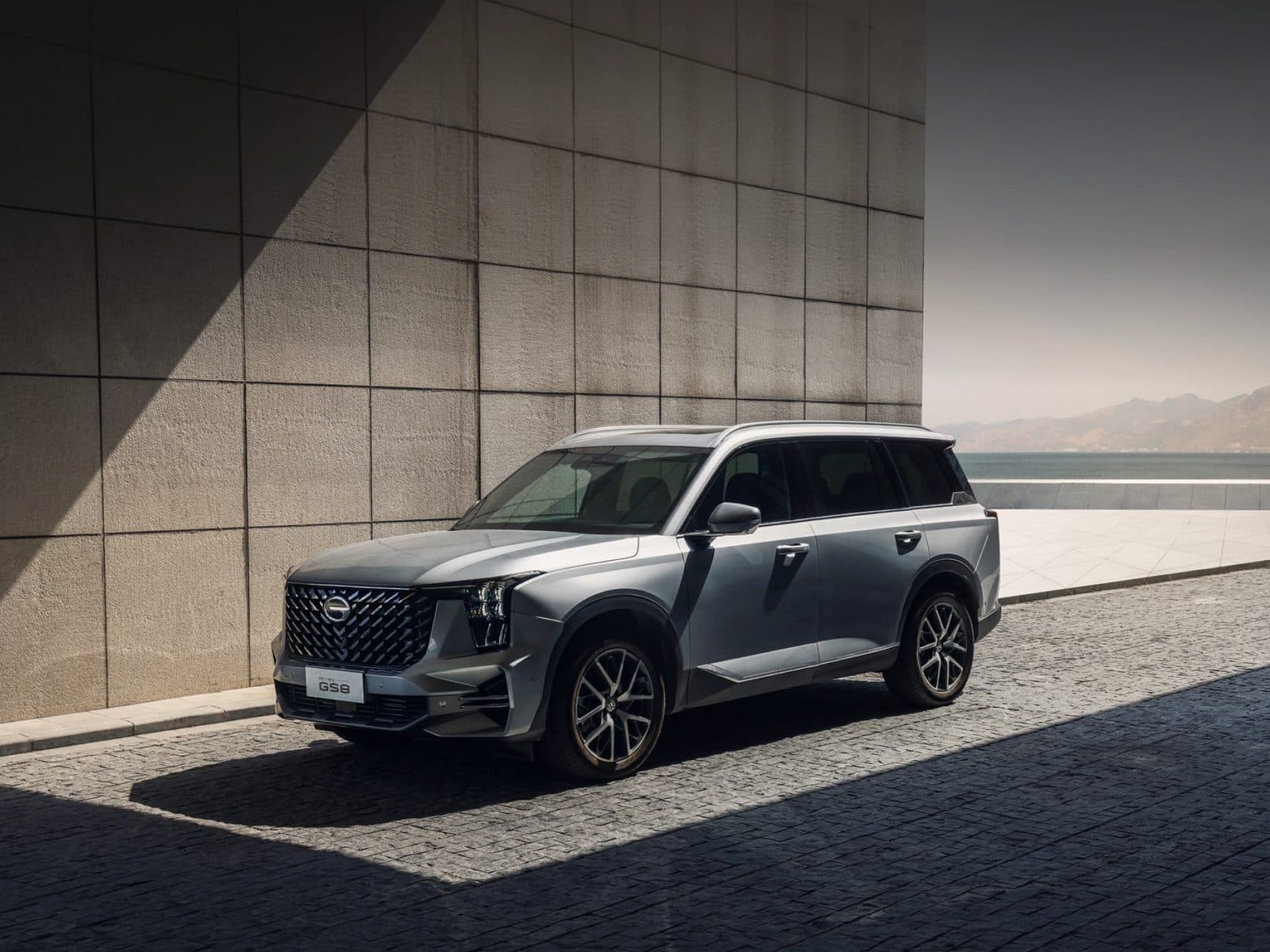
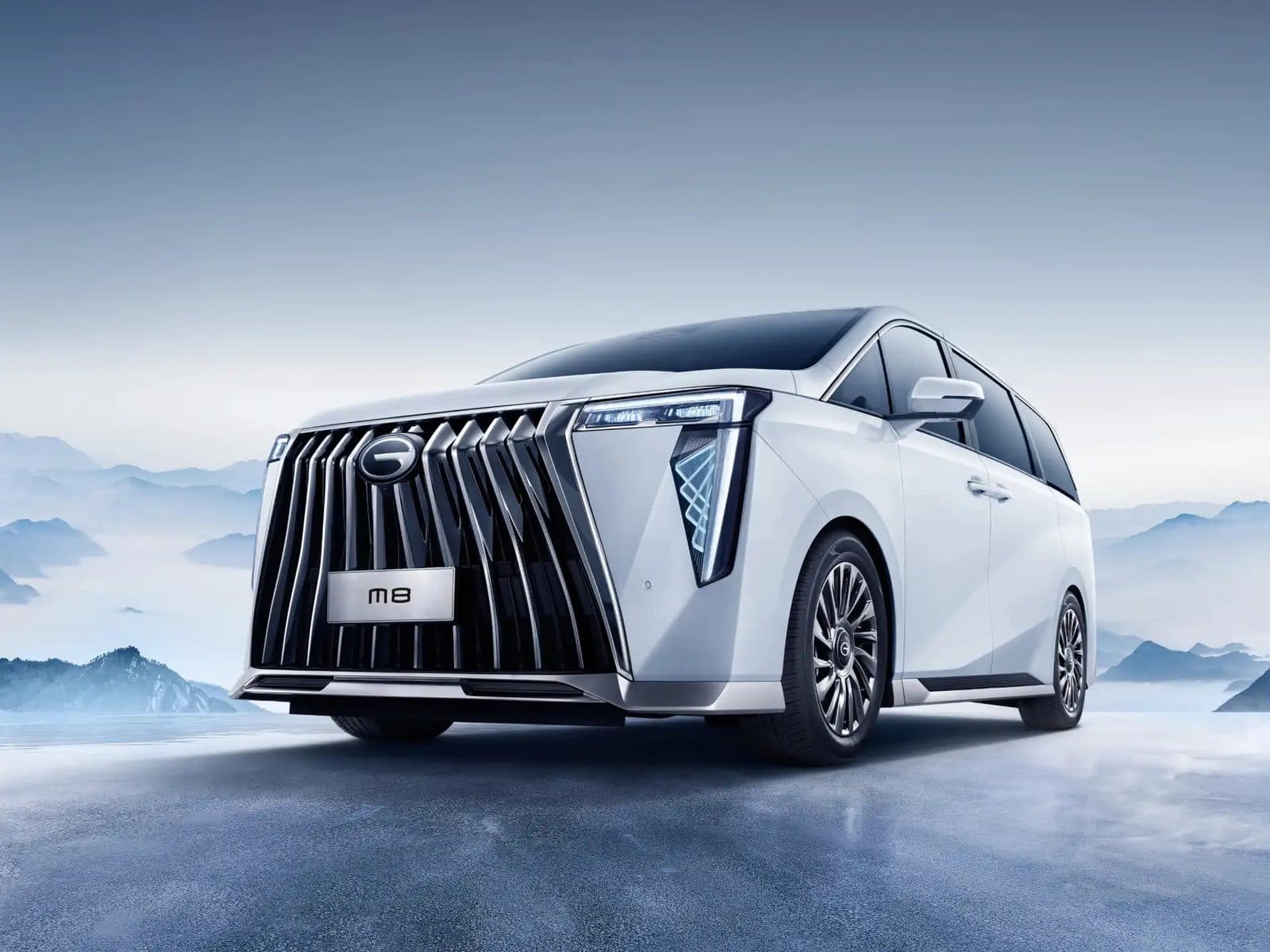
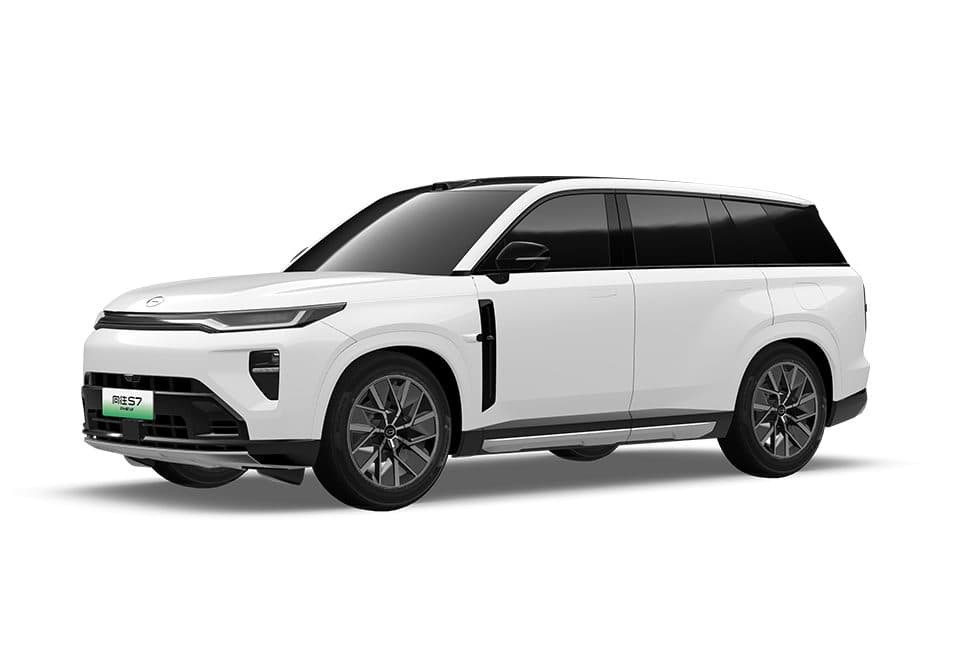
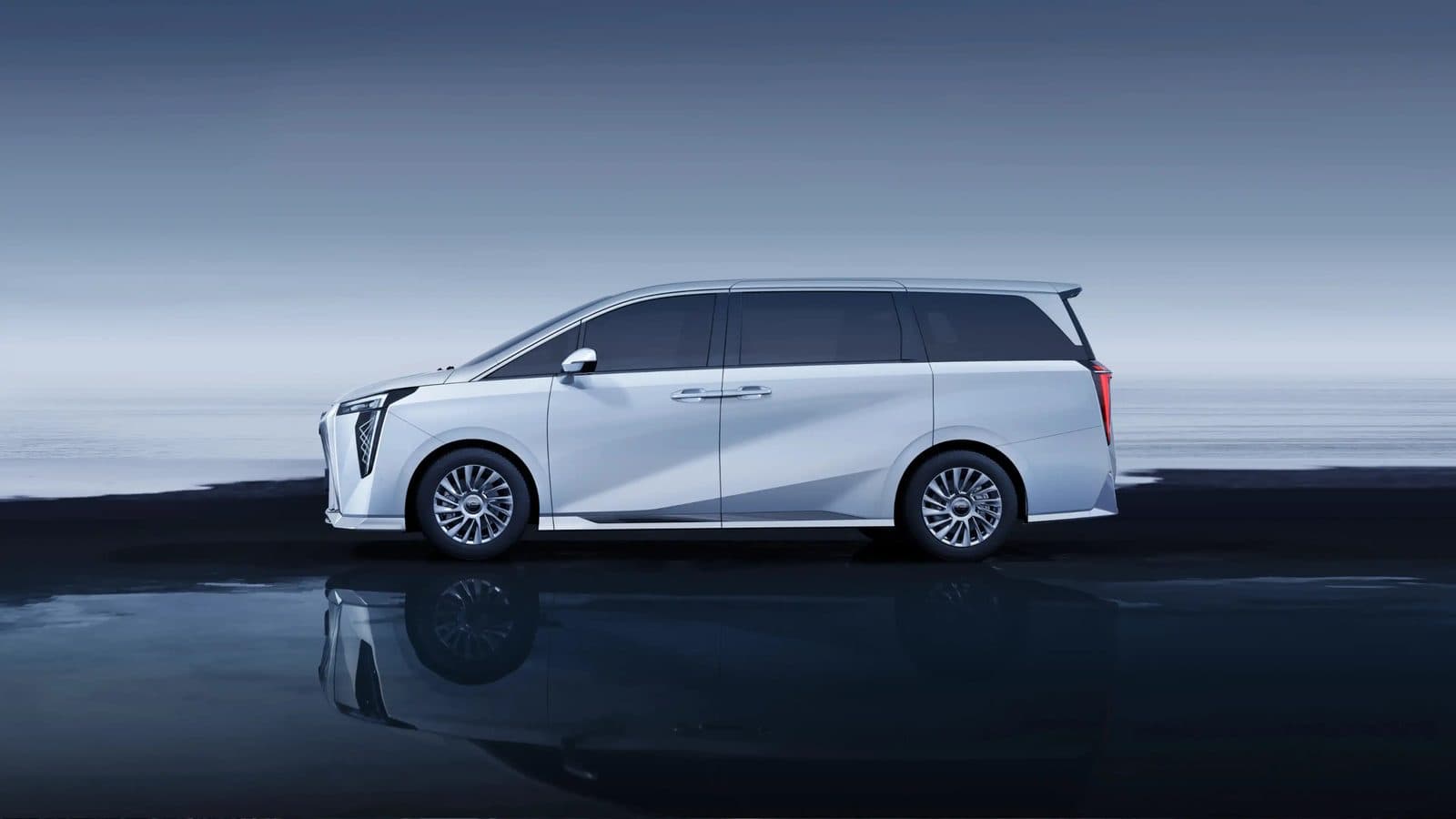
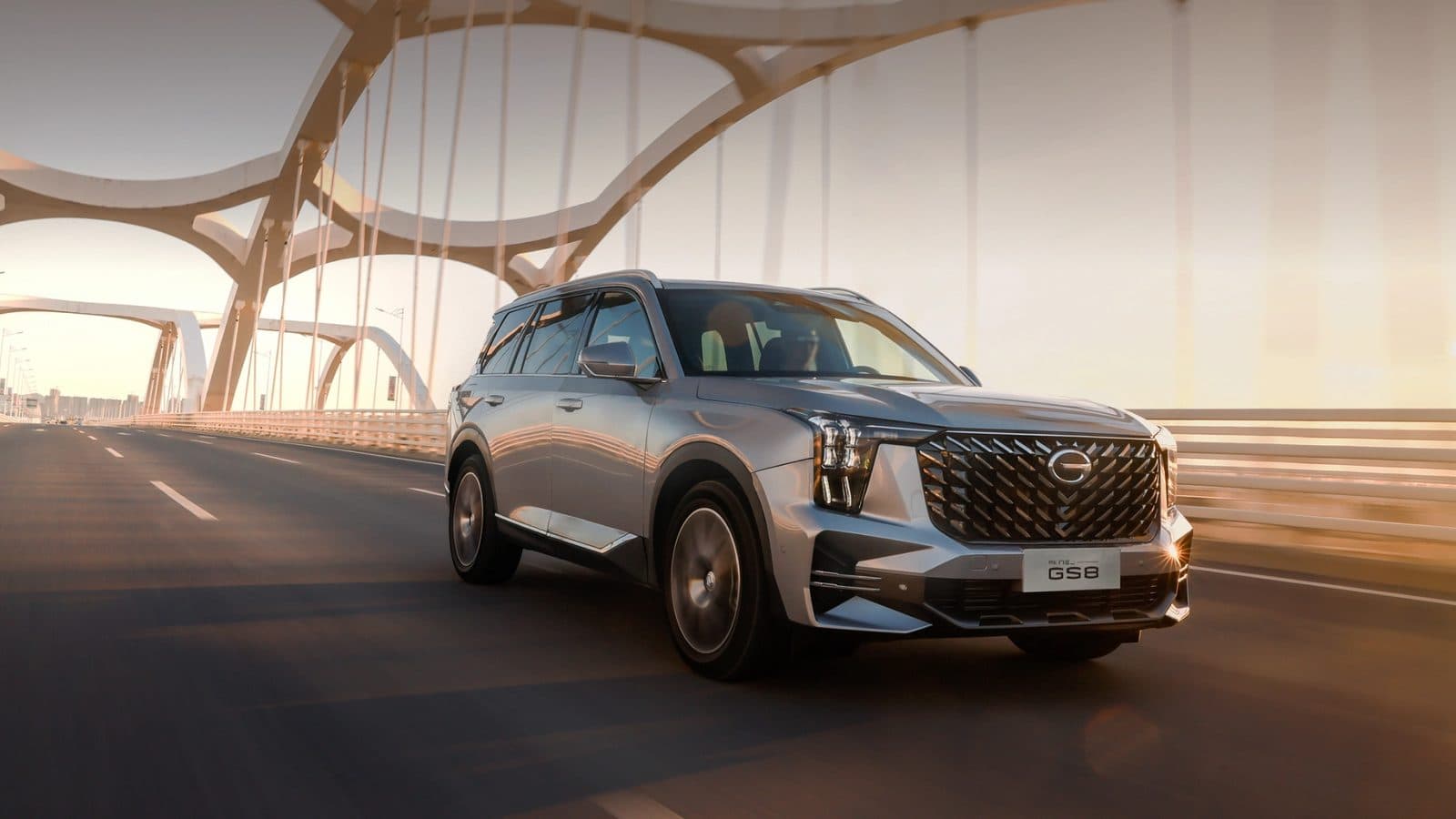
Start from the use case, not the brochure. Taxi and ride-hailing operators usually want sedans or compact SUVs with low running costs; hotels and VIP transport want six- or seven-seat MPVs; family buyers in markets with poor roads often prefer larger SUVs. Browse the GAC SUV range, the MPV range or the full catalogue to shortlist two or three models.
Check three things for each model before you ask for a price: steering side (most Chinese-market vehicles are left-hand drive), powertrain versus fuel and charging availability in your country, and whether your country restricts vehicle age or engine type for imports.
Step 2: What information does a supplier need for a quote?
Send these five details and you will get a usable quotation instead of a list of questions:
- Model and trim — or the use case if you want a recommendation.
- Quantity — at EVtoU the minimum order is one unit.
- Steering side — LHD or RHD. RHD depends on availability.
- Destination country and port — this decides freight and documents.
- Price terms — FOB (China port) or CIF (your port). See FOB vs CIF for vehicle shipping.
Step 3: What should the proforma invoice include?
The proforma invoice (PI) is the document you pay against, so read it carefully. It should state the exact model, model year, trim, colour, quantity, unit price, Incoterm and port, payment terms, and expected shipment timeline. If something you agreed on WhatsApp is not in the PI, ask for it to be added before paying.
Step 4: How are vehicles inspected before shipping?
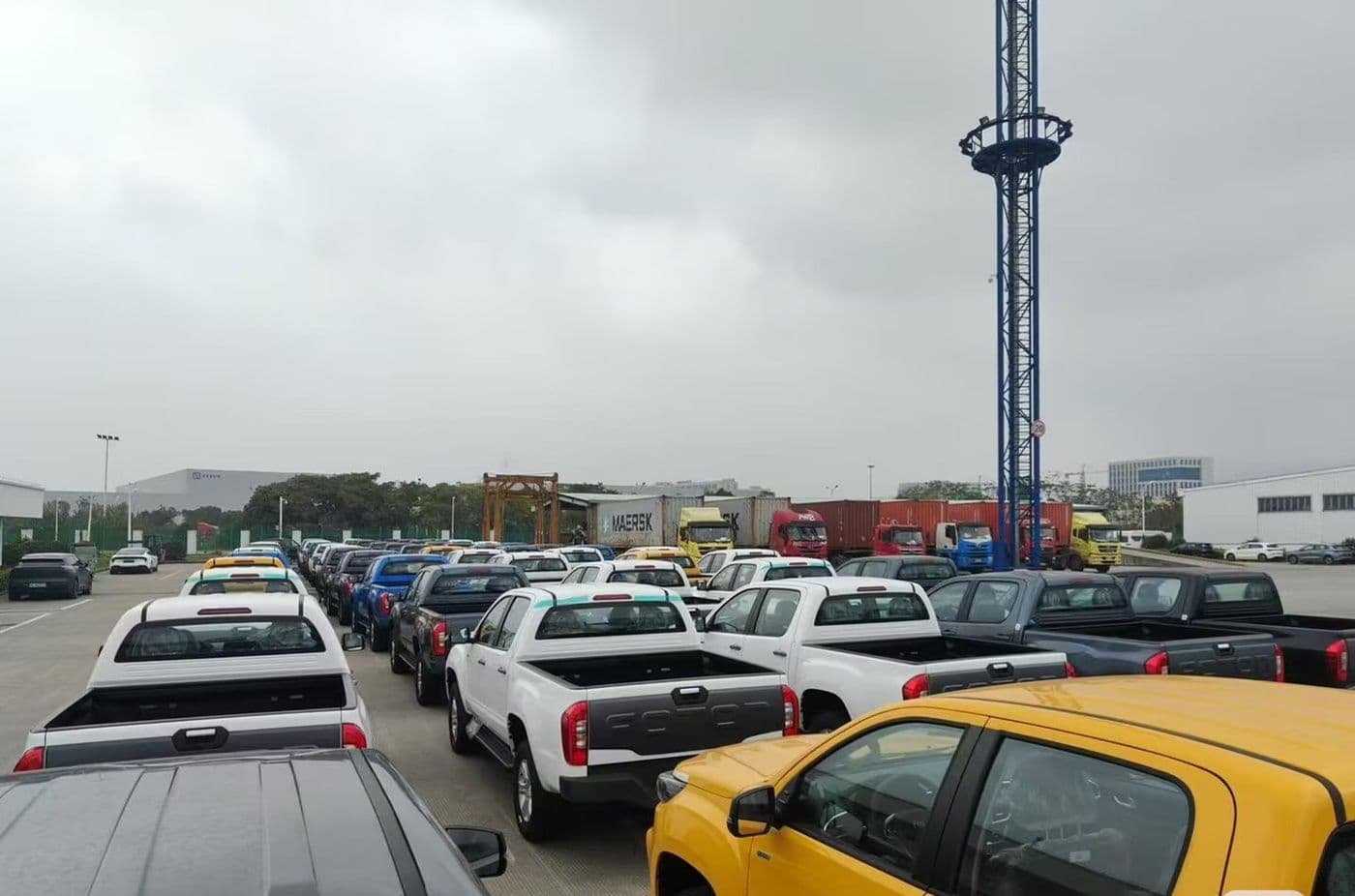
Before export, the vehicles are checked and prepared. A good exporter sends photos or videos at each milestone — EVtoU sends a photo or video confirming the status of your vehicle at every stage. If your country requires pre-shipment inspection by an approved agency, tell your supplier at the quote stage so the inspection is booked in time.
Step 5: How do the cars get to your port?
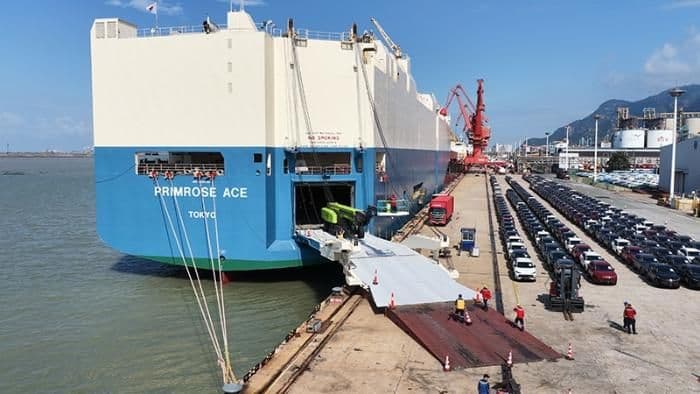
Vehicles travel by car carrier to the Chinese port, then ship by Ro-Ro vessel or in containers. Ro-Ro is usually economical for larger batches; containers protect paintwork and suit mixed-model orders. Our Ro-Ro vs container comparison explains when to choose each.
At EVtoU, in-stock vehicles can be shipped within 10 working days after payment. Custom or specific models depend on sourcing and preparation time.
Step 6: Which documents do you need for customs clearance?
Your customs broker will normally ask for the commercial invoice, packing list, bill of lading and certificate of origin, plus vehicle documents identifying each unit by VIN. Some countries also require inspection or conformity certificates. Confirm the list with your broker before the vehicles ship, and read our market notes by region.
How long does the whole process take?
For an in-stock vehicle, allow up to 10 working days from payment to shipment, plus ocean transit and customs clearance at your end. Transit time depends on the route and sailing schedule. The full export process page lists what happens at each stage.